 ZH
ZH  RU
RU  EN
EN 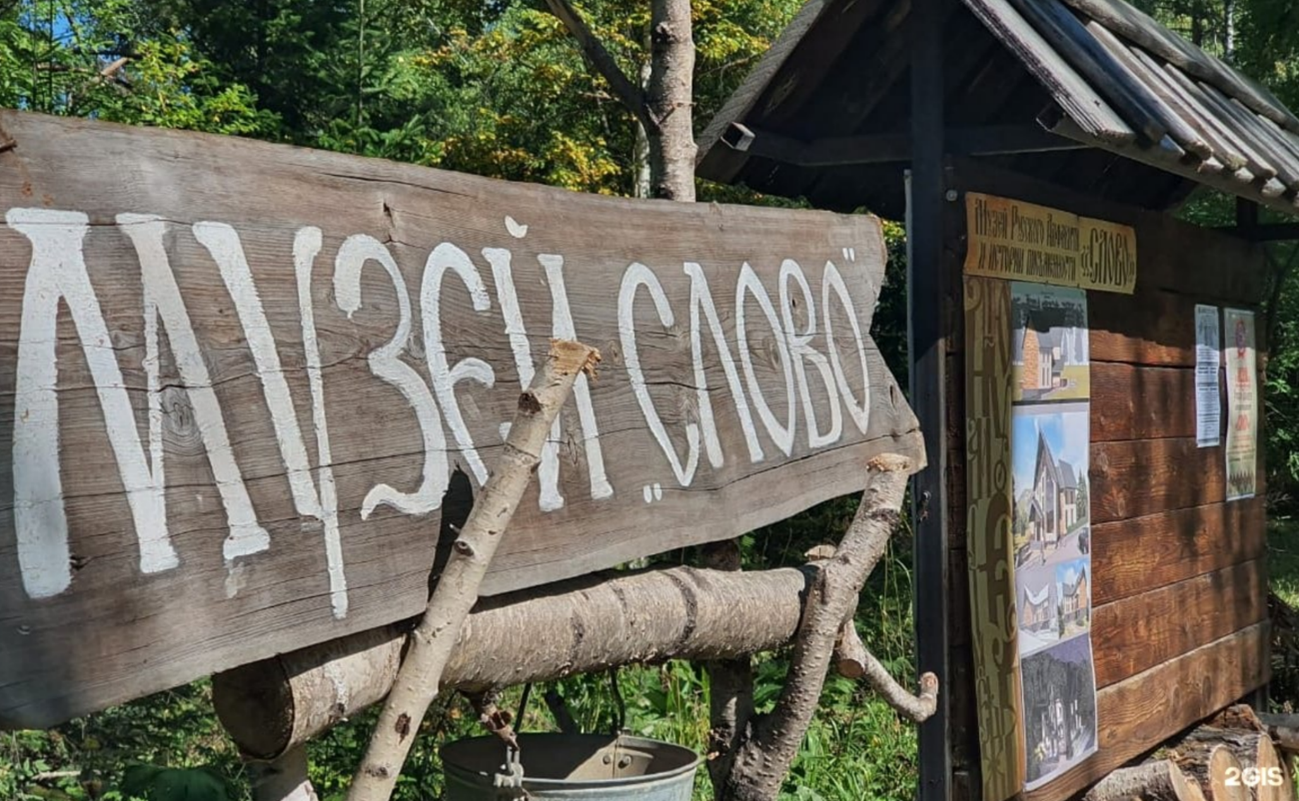
"Slovo" Museum of the Russian Alphabet and History of Writing
Address: 37 Sadovaya St., bldg. 1, Belokurikha city
Contacts:
Tel.: +7 (983) 354-96-23 (reception, ticket office, scientific and educational department)
Contact person: Andrey Vladimirovich Pokidaev
Email: muzei.slovo@yandex.ru; a.pokidaev@mail.ru
Website: alfavit.org
Opening hours:
- From 9:00 to 18:00 (group tours and winter tours by prior appointment)




📍Посмотреть на карте
[ ▶︎ ] Video Review
Brief historical background, collections and exhibitions of the museum
Status: Socially oriented non-profit organization, private institution "Slovo" Museum of the Russian Alphabet and History of Writing.
The idea of creating a museum dedicated to the Russian alphabet, the Russian language, the Russian people, and Russian traditions came to the artist Andrey Pokidaev in 2008 while painting an icon of the Most Holy Theotokos.
Development timeline:
- 2015 – Best innovative project of Altai Krai in the tourism sector.
- 2016 – Best innovative project of the All-Russian competition in the field of cultural and educational activities.
- 2017–2018 – Implementation of the "Alphabetical Truths" project with the support of the Presidential Grants Fund.
- 2019 – "Belokurikha Resort" JSC allocated a land plot for the construction of the Museum building in the Belokurikha Gornaya tourist cluster.
- 2020–2021 – Construction of the museum building and commencement of operations.
- 2022 – Erection of the "Vityaz-Bogatyr" art object near the museum building, dedicated to the Spirit of the Russian army, the greatness and beauty of the Russian language. The art object was created jointly with the sculptor from Biysk, Nikolay Porubov.
The history of the museum through the eyes of its founder – Andrey Vladimirovich Pokidaev:
The history of the museum began with an incident that divided my life into Before and After. At that time, I was working as an artist whose paintings were acquired for private collections and by sanatoriums in Belokurikha. Also, according to the head of security at the Maryino pension, three paintings were purchased by V.V. Putin when he was on vacation in Belokurikha in 2003.
 (Katun, Kuyus sketch. One of the works acquired by the President of the Russian Federation V.V. Putin during his vacation in Belokurikha)
Traveling through Altai, I mainly painted landscapes of the amazingly fairytale-like nature of these places. But one day, a resident of Belokurikha approached me with an unusual proposal: to paint an icon of the Most Holy Theotokos. Understanding my responsibility, I initially did not accept his proposal. Nevertheless, six months later, a very clear understanding came that this work absolutely had to be done. After consulting with my acquaintance again, I got to work. And so, during a break for a cup of tea, I was sitting in my kitchen at home and, as is usual with all people, was thinking about various things. This time, thoughts came about the division of people based on various signs: territorial, national, religious. The question arose, what can unite people, when there is so much that divides them? Suddenly, completely unexpectedly for me, a state of complete Clarity arose! It's like everything from above was flooded with a light so bright that not a single shadow or question remained! Then, not a drop, but a glob of something plopped onto the crown of my head, enveloping my body from head to toe with an ineffably blissful feeling. It became clear that the energy of this Grace has no beginning and no end; it is infinite. Then imagine, if you put a megaphone to your head and shout something loudly, just as deafeningly the words "Letter and Word" sounded in my head, as an answer to the question "What can unite people?"
What happened to me shook me to the core. On the third day of being in a state of spiritual joy and with a smile from ear to ear, somewhere at the level of conscience, came the understanding, "I asked a question and received an answer to it, albeit in such an unusual form, but an answer was given to my question – 'Letter and Word'." A letter is a letter, so I took a box of matches and began to lay out the first letters of our Russian alphabet A, B, V, G, and to reflect. "Well, if we imagine that the top line conventionally represents Heaven, the bottom line Earth, then the letters will connect Heaven and Earth, each in its own way and image." And then it dawned on me! "So these letters signify what happened to me. The first letter A - 'Az' in its graphic form describes the pouring of light from Heaven to Earth, as from a celestial source. The second letter B - 'Buki', gods, in its graphic form represents that very drop of grace that plopped onto my head. The third letter V - 'Vedi' describes my realization of the infinity of the energy of Grace, and finally the fourth letter G - 'Glagol' - this is the very verb that sounded in my head like a trumpet call, with the words 'Letter and Word'."
The insight associated with discovering what the ordinary letters of the alphabet I've known since childhood actually mean, once again stunned me. "So that's what you are, Russian language!" – I said aloud, almost like in the fairy tale about the scarlet flower. Such is the pre-history of the creation of the museum dedicated to the Russian alphabet and the truly Great and Mighty Russian language!
The museum was established in 2009 on the veranda of our village house in Solonovka village, Altai Krai. My relatives and friends were skeptical of this endeavor. Museums dedicated to famous people, accordions, chocolate, mice, vodka, and others were understandable to everyone, but one for the alphabet was not quite clear. At that time, I did not fully understand how events would unfold. My confidence in the correctness of my decision was bolstered by news from South Korea, where the country's President issued a decree to create a tourist attraction dedicated to the Korean alphabet as a symbol of Korean culture. $35 million was allocated for the construction of the museum building with an area of 11,000 sq.m. The "National Hangeul Museum" was opened on October 9, 2014, to spread the linguistic and cultural value of the Korean alphabet, which is Korea's most important cultural heritage. The museum is dedicated not only to preserving and disseminating information about the alphabet but also to finding new areas for its use across various professional fields. In 2016, I made a working trip to Korea to visit the Korean museum.
In 2014, a decision was made to rent premises in the resort city of Belokurikha for more effective activity and promotion of the "Russian Language" theme. The need for training to promote the Museum arose. As the director, I underwent training at the Altai Center for Innovations in the Social Sphere. Based on the results of our activities in 2015–2016, the Museum was awarded diplomas as the winner of the "Best Social Innovative Project of the Year" in the field of cultural and educational activities at the regional and federal levels.
In 2017, the Museum was registered as a non-profit private institution, the "Slovo" Museum of the Russian Alphabet and History of Writing. This allowed us to participate in and win the Presidential grants competition aimed at the development of civil society with the project "Alphabetical Truths".
In 2018, the project was successfully implemented. The Museum's exhibition was located on an area of over 300 sq.m for three months in one of the shopping centers in Biysk. A plot of land has been allocated for the construction of the Museum building in the Belokurikha-2 resort cluster. A competition was held for the development of sketch designs for the Museum building by students of the Institute of Architecture and Design of Altai State Technical University.
The Museum's concept is based on the image of a "timeline" that reveals an understanding of the development of various stages in the evolution of writing (object, drawing, symbol, letter, alphabet, azbuka), as a result of which each nation has its own alphabet, language, writing system, and unique culture. This is how identity is defined: Alphabet – Language – Language Speaker (People) – Culture.
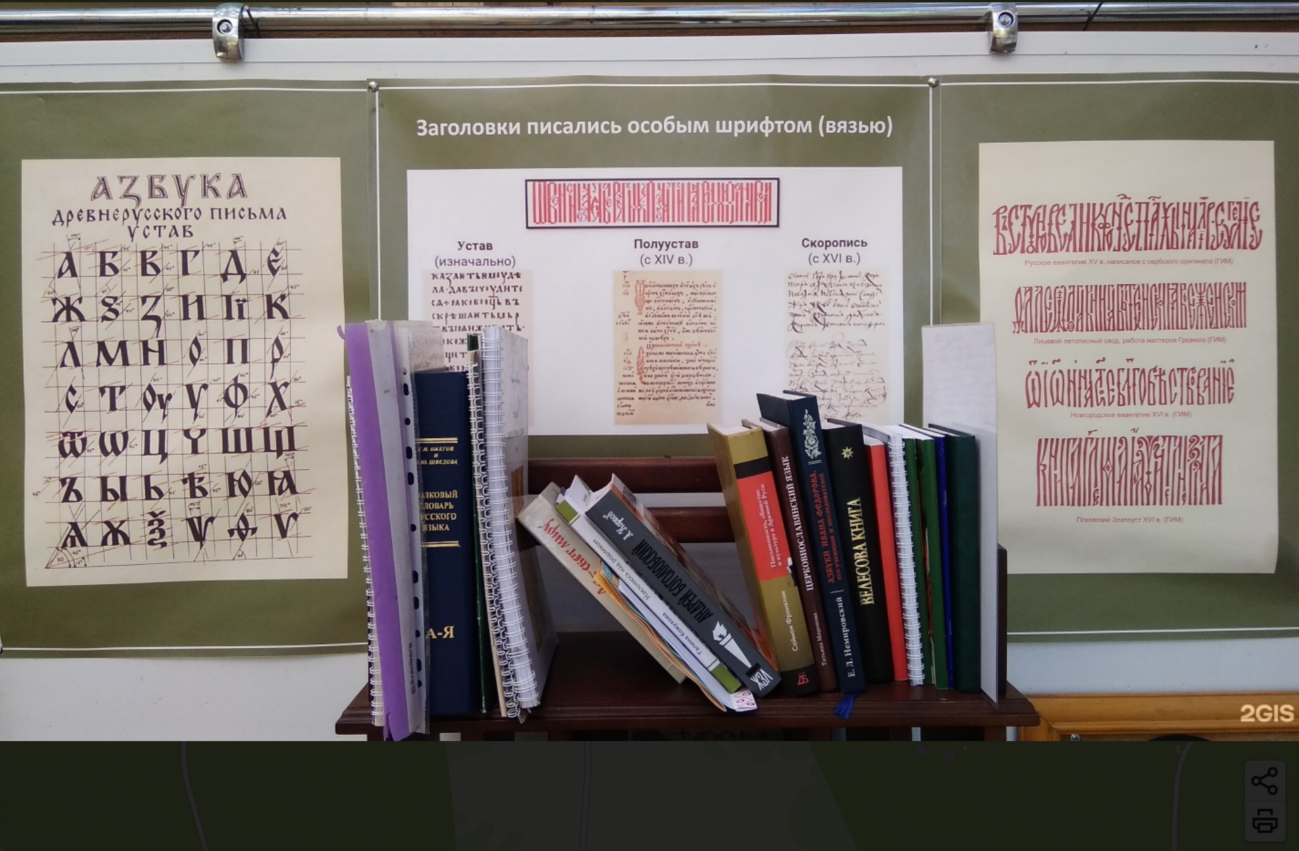
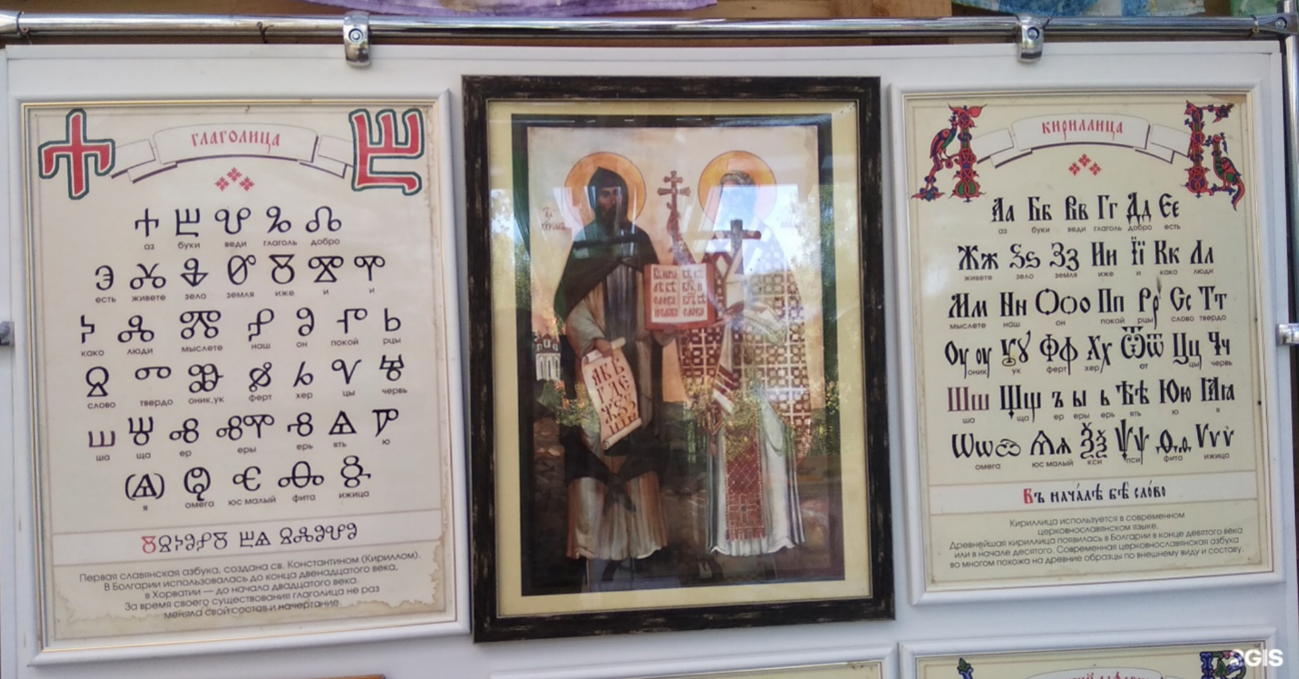
The museum exhibition includes a stand dedicated to the alphabets of the world's peoples, where visitors have the opportunity to see and compare the graphics and number of letters with the letters of the Russian alphabet. A special place is given to the history of Slavic writing, the revelation of the images of the Russian alphabet's letters, which essentially denote universal human values like Life, Goodness, Earth, People..., the reforms of the Russian alphabet, as well as the modification of fonts starting from the Ustav script. Here, one can note a direct connection between the changes made in the Russian alphabet and azbuka and social upheavals in society.
Museum expositions:
- Original alphabets and letters by poets and writers.
- Original alphabets and letters by famous artists.
- The history of the evolution of written and printed fonts.
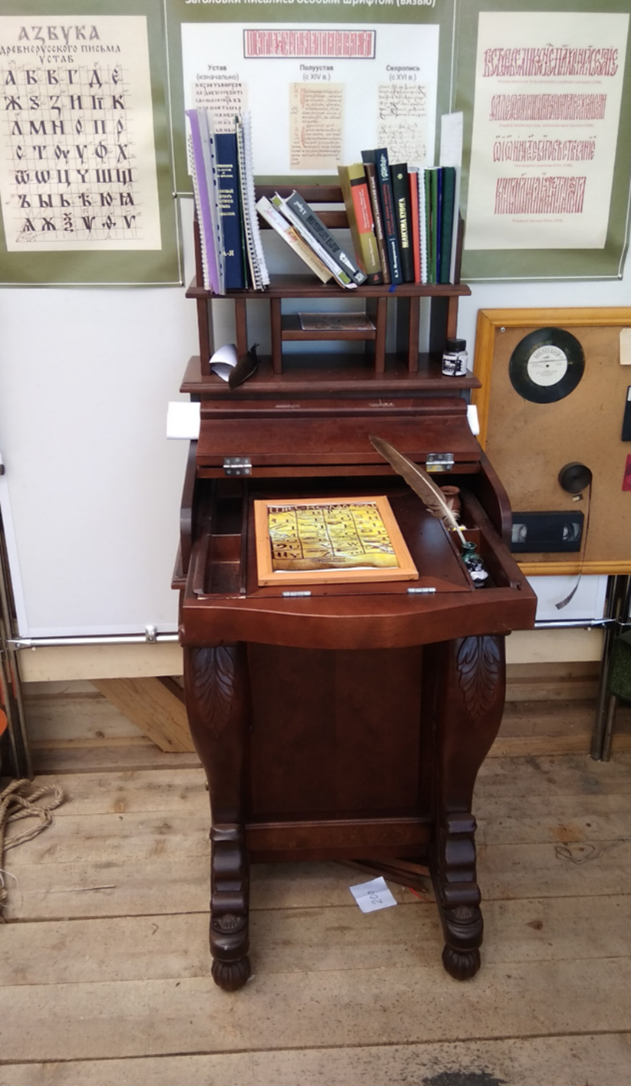
- Writing instruments.
- Changes in the alphabet.
- Language games (anagrams, palindromes, proverbs, sayings, and others).
- The alphabet in various semiotic systems.
- Letters made from neon tubes.
- Paintings with letters, executed in various artistic styles (abstractionism, avant-gardism, cubism, letterism, etc.).
- Murals on the wall.

